 BHH YOUTH HUNTERS ACADEMYBHH ACADEMY
AUGUST 18, 2026
Teaching Young Hunters Essential First-Aid and Field Safety Protocols
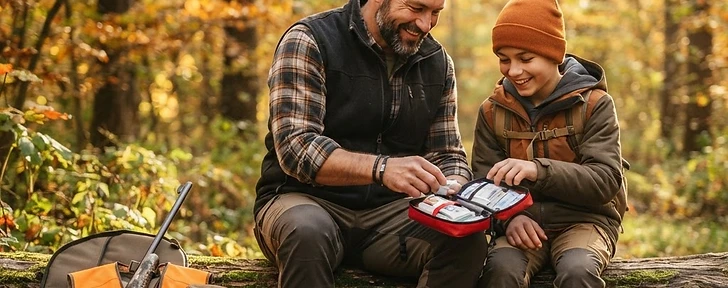
Preparing for the Unexpected in the Field
Venturing into the woods with your child is one of the most rewarding experiences a parent can offer. However, the great outdoors is unpredictable. While we focus heavily on firearm safety and ethical harvest, true hunter education includes being prepared for the bumps, scrapes, and minor emergencies that come with exploring wild spaces. Teaching your child basic first-aid and safety protocols doesn't just keep them safe; it builds their self-reliance and confidence in the field.
Why First-Aid Training Matters for Kids
When a child knows what to do if they trip on a root or get a minor scratch, they transition from a passive passenger to an active participant in their own safety. By involving your child in the process of packing and maintaining a first-aid kit, you turn safety into a collaborative adventure rather than a chore. This foundational knowledge ensures that small issues remain small, preventing them from ruining a hunt or escalating into something more serious.
Building Your Youth-Friendly Field Kit
Instead of carrying a massive trauma bag, focus on a compact, lightweight kit that your child can carry in their own pack. Let them help you assemble it, explaining the purpose of each item as you go. A standard youth field kit should include:
- Adhesive Bandages: Various sizes for minor cuts and abrasions.
- Antiseptic Wipes: Crucial for cleaning debris out of small wounds.
- Medical Tape and Sterile Gauze: For covering larger scrapes.
- Tweezers: Essential for removing ticks, splinters, or cactus spines.
- Moleskin: The best defense against blisters during long treks.
- Whistle: For signaling location if they become separated.
- Emergency Blanket: A lightweight, packable way to maintain body heat.
Teaching Situational Awareness and Prevention
Safety is ultimately about prevention. Talk to your child about the terrain before you even leave the vehicle. Ask them to point out potential hazards like loose rocks, steep inclines, or low-hanging branches. When your child is constantly scanning the ground for tripping hazards, they are also training their eyes for wildlife—a win-win for their development as a hunter.
Handling Minor Injuries with Calm
If an injury occurs, your primary role as a parent is to remain calm. Your child will mirror your emotional state. If you react with panic, they will panic. If you approach a scraped knee with a 'let's assess and fix' attitude, they will learn to handle adversity with resilience.
- Stop: Move to a safe, level area away from hazards.
- Assess: Check the severity of the injury and the child's response.
- Clean: Use the antiseptic wipe to ensure no debris remains.
- Protect: Apply the appropriate bandage or dressing.
- Monitor: Check back in a few minutes to ensure the bleeding has stopped and the child feels ready to continue or head back to camp.
Staying Hydrated and Fueled
Safety is as much about biology as it is about equipment. A hungry or dehydrated child is prone to mistakes. Establish a rhythm of hydration and snacking every hour. This keeps their energy levels stable and their mind sharp, which is the best defense against accidents. Always check your state wildlife agency guidelines for specific requirements regarding communication devices or safety gear that may be recommended for youth hunters in your region.
Building a Safer Future Together
Safety is a journey, not a destination. By integrating these basic first-aid and field safety lessons into your routine, you are setting the stage for a lifetime of successful and secure hunting adventures. When your child feels capable and prepared, they are more likely to respect the environment and the game they seek. Ready to take the next step in their education? Join us at the BHH Youth Hunters Academy, where we offer comprehensive, age-matched safety lessons designed to help you and your child master the skills needed for a lifetime of ethical and safe hunting.
TRY IT — A REAL ACADEMY DECISION DRILL
The Trailside Trip

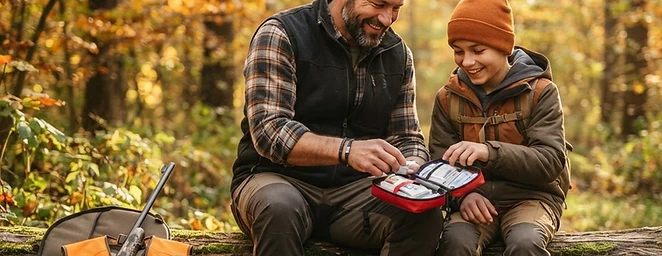
While hiking to your stand, your child trips over a hidden root and scrapes their shin on a sharp rock. The cut is shallow but bleeding, and your child is crying from the sudden pain and surprise.
What is your immediate next step as a mentor?
HUNTING SAFETY EDUCATION · AGES 5-17
RAISE A SAFE, CONFIDENT YOUNG HUNTER.
Guide your kids through interactive hunting safety missions, real decision drills, and earned trophies — all from one free parent account.