 BHH YOUTH HUNTERS ACADEMYBHH ACADEMY
SEPTEMBER 2, 2026
Teaching Young Hunters the Importance of Hunter Ethics and Sportsmanship
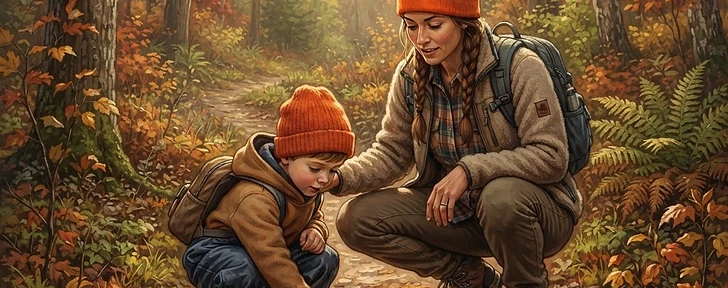
Defining Ethics in the Field
When we introduce our children to hunting, we are doing much more than teaching them how to harvest game. We are handing down a legacy of stewardship, respect for wildlife, and personal integrity. At BHH Youth Hunters Academy, we define hunting ethics as 'doing the right thing, even when no one is watching.' These principles guide a young hunter's actions from the moment they step into the woods until the final processing of the game.
The Three Pillars of Hunting Ethics
To help your child understand the gravity of their role as a hunter, focus on these three core pillars:
- Respect for the Resource: This begins with knowing your equipment and your limitations. It involves only taking shots you are confident in, ensuring a quick and humane harvest.
- Respect for Other Hunters: Whether it is practicing proper stand spacing or being mindful of noise and scent, sportsmanship dictates that we share the landscape fairly.
- Respect for the Law: Laws are the baseline for safety and conservation. Instilling a habit of checking local regulations through your state wildlife agency is non-negotiable.
Leading by Example
You are the most influential teacher your child will ever have. Children mimic the behaviors they observe, not just the rules they are told. If you cut corners on a tag, ignore a bag limit, or treat land access disrespectfully, your child will normalize those behaviors. Conversely, if they see you pausing to properly identify a species, walking cautiously to avoid disturbing neighbors, or cleaning up litter left by others, they learn that hunting is a privilege that comes with deep responsibilities.
The Role of Sportsmanship
Sportsmanship is the 'golden rule' of the woods. It is about valuing the experience over the outcome. Teach your child that a successful hunt is not measured solely by the size of the rack or the weight of the harvest. It is measured by the quality of the effort, the adherence to safety protocols, and the appreciation for the animal's life.
Practical Lessons for Young Hunters
- Encourage Journaling: Have your child keep a field log where they record not just sightings, but ethical observations like how they stayed quiet or helped a partner.
- Discuss Scenarios: Regularly ask your child, 'What would you do if...' to help them think through potential ethical dilemmas.
- Model Stewardship: Spend time in the off-season scouting and improving habitat. This shows that a hunter's duty extends far beyond the hunting season.
Building a Foundation at BHH Youth Hunters Academy
Ethics are not learned overnight; they are cultivated through consistent, guided practice. As your child grows from a young observer to an active participant, they need structured lessons that reinforce these values in age-appropriate ways. Our curriculum at BHH Youth Hunters Academy is designed to partner with parents to ensure these lessons remain at the forefront of the hunting experience. Start your child's journey today with our comprehensive, safety-first modules that turn curiosity into character.
TRY IT — A REAL ACADEMY DECISION DRILL
The Ethical Observation Dilemma

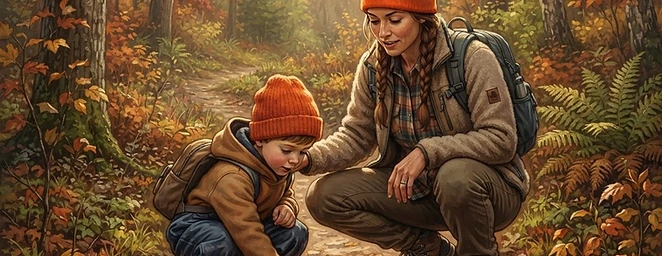
You and your child are sitting in a blind. It is five minutes before legal hunting light ends. You see a deer move into the brush, but you cannot clearly identify its sex or age due to the fading light. Your child says, 'I think it's a legal buck, should I take the shot?'
What is the correct ethical response?
HUNTING SAFETY EDUCATION · AGES 5-17
RAISE A SAFE, CONFIDENT YOUNG HUNTER.
Guide your kids through interactive hunting safety missions, real decision drills, and earned trophies — all from one free parent account.