 BHH YOUTH HUNTERS ACADEMYBHH ACADEMY
OCTOBER 15, 2026
Teaching Young Hunters the Fundamentals of Ethical Wildlife Photography and Observation

Cultivating a Deeper Connection to Nature Through the Lens
For many young hunters, the thrill of the sport is often focused solely on the moment of the harvest. However, at BHH Youth Hunters Academy, we believe that the journey to becoming a seasoned sportsman begins long before the season opens. One of the most effective ways to sharpen a young hunter's observation skills and ethical foundation is through the practice of ethical wildlife photography and non-harvest observation.
By teaching your child to 'hunt' with a camera first, you are helping them develop the patience, stealth, and wildlife identification skills that are vital for success in the field. It is a fantastic way to keep them engaged with the outdoors during the off-season while emphasizing respect for the animal's space.
Why Observation Photography Matters for Youth
Integrating photography into your hunting education routine offers several developmental benefits. First, it requires the child to remain still and quiet for extended periods. This 'forced' stillness is an excellent training ground for the patience required in a deer blind or while stalking.
Second, it encourages a deeper appreciation for species identification. When a child is trying to get a clear image of a bird, a small mammal, or a white-tailed deer, they must pay attention to movement, behavior, and habitat. This turns a simple walk in the woods into a high-stakes educational game.
Practicing Ethical Stewardship in the Field
Just as we teach strict safety rules for firearms, we must teach ethics for interacting with wildlife through a lens. The primary rule of wildlife photography is to never compromise the welfare of the animal for the sake of a better shot. Here are some essential guidelines to teach your child:
- Keep Your Distance: Use the zoom function on your camera or binoculars. If an animal stops feeding or looks at you with alarm, you are too close.
- Respect Natural Behaviors: Avoid making loud noises or flushing animals out of bedding areas just to get a picture of them running. We want to observe animals acting naturally, not in a state of panic.
- Avoid Nesting Sites: During spring and early summer, stay well clear of dens, nests, and nurseries. Stressing a mother wildlife animal or her young can have devastating consequences.
- Leave No Trace: Ensure that while you are focusing on your photography gear, you aren't damaging the surrounding habitat or leaving behind litter.
Developing Field Craft Through Observation
When your child is looking through a viewfinder, they are learning to scan the terrain systematically. They learn how to spot 'flickering' movement, how to identify bedding sign, and how to use the wind to their advantage to get closer without being detected. These are the exact skills that make for a successful, ethical hunter.
Discussing what they saw at the end of a session is a great way to bond. Ask them questions like: 'Why do you think that deer moved into the shade when it got hot?' or 'What did you notice about the way the bird landed on that branch?' This analytical conversation builds their confidence and deepens their understanding of the natural world.
Transitioning to the Hunt
Photography is not a replacement for hunting, but a powerful precursor. By the time a child is ready to handle a firearm, they will already understand the importance of identifying their target, being aware of what is behind it, and waiting for the right, ethical moment to act. They will view the woods not just as a place to take, but as a complex ecosystem that they are privileged to be a part of.
As you continue your journey together, remember that these foundational lessons are the building blocks of a lifelong passion for conservation and safe outdoor recreation. We invite you to explore age-matched safety lessons and practical field exercises with your child at BHH Youth Hunters Academy, where we provide the tools you need to build a safe, ethical, and successful hunting partnership.
TRY IT — A REAL ACADEMY DECISION DRILL
The Nesting Dilemma

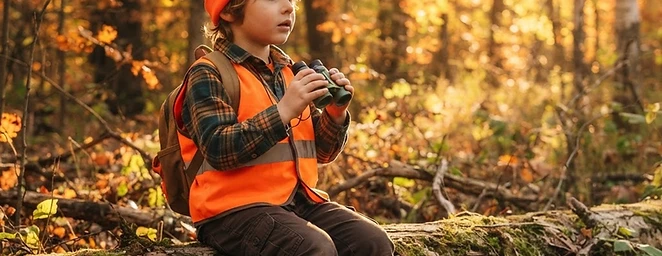
You and your child are hiking through the woods to practice wildlife photography. You discover a ground-nesting bird just a few feet off the trail. The child is excited and wants to walk right up to the nest to get a 'macro' close-up photo of the eggs or chicks.
What is the most ethical way to handle this situation?
HUNTING SAFETY EDUCATION · AGES 5-17
RAISE A SAFE, CONFIDENT YOUNG HUNTER.
Guide your kids through interactive hunting safety missions, real decision drills, and earned trophies — all from one free parent account.