 BHH YOUTH HUNTERS ACADEMYBHH ACADEMY
AUGUST 31, 2026
Teaching Young Hunters the Importance of Ethical Wildlife Observation
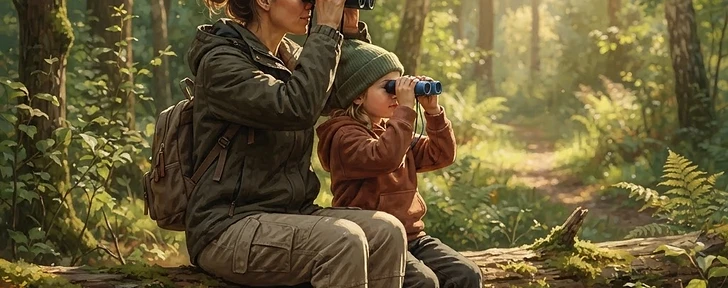
Introduction to Ethical Observation
For many parents, the goal of introducing a child to hunting is about more than filling a freezer; it is about cultivating a lifelong respect for the outdoors. Before a child ever picks up a firearm or bow, they can begin their journey as a responsible steward of the land through ethical wildlife observation. Learning how to watch animals in their natural habitat without disturbing them is the foundation of all hunting skills.
The Philosophy of Non-Intrusive Observation
Ethical observation is about minimizing your impact on the animal and its environment. When we teach kids to observe, we are teaching them to be invisible. This means moving slowly, staying downwind, and remaining quiet. These are the same skills a hunter uses to approach a target, but when applied to observation, they allow for a deeper connection with the wild. Teach your child that the animal’s comfort is the priority, not the perfect photo or the longest look.
Developing Patience and Focus
In our modern, fast-paced world, sitting still for an hour can feel like an eternity to a young child. However, hunting requires long periods of waiting. By practicing observation, you help your child build the mental stamina required for the hunt.
- Use Binoculars: Give them a dedicated pair of youth-sized binoculars. This creates a tactile connection to the act of looking and encourages them to scan the landscape.
- Keep a Nature Journal: Encourage your child to draw or note what they see. This turns passive waiting into an active, intellectual pursuit.
- Start Small: Begin with sessions in your backyard or a local park. If they can observe a bird or a squirrel without scaring it, they are learning the mechanics of stealth.
Respecting Wildlife Boundaries
Ethical observation also involves understanding the 'flight zone' of an animal. Every species has a personal space threshold; if we cross it, the animal reacts, usually by fleeing. Explain to your child that forcing an animal to run away is a sign that we have been too loud or too visible.
Integrating Safety and Awareness
Ethical observation is inherently tied to situational awareness. To watch an animal, a child must be aware of their surroundings, the wind direction, and their own movement. These elements are non-negotiable safety skills. Always emphasize that if their focus on an animal causes them to lose track of their footing or trail markers, they must stop and recalibrate. Never prioritize a sighting over personal safety.
Preparing for the Future
When a child understands how to observe wildlife, they learn to appreciate the complexity of the ecosystem. They stop seeing animals as mere targets and start seeing them as wild beings with behaviors, habits, and habitats. This transition is essential for building an ethical hunter.
By teaching these habits now, you are ensuring that your child approaches the woods with humility and respect. When they are finally ready to carry a firearm, they will already possess the discipline of a veteran woodsman. Start your child's journey with structured, age-appropriate safety and ethics training at BHH Youth Hunters Academy, where we provide the curriculum to turn your backyard lessons into a lifetime of safe and ethical outdoor traditions.
TRY IT — A REAL ACADEMY DECISION DRILL
The Meadow Observation Challenge

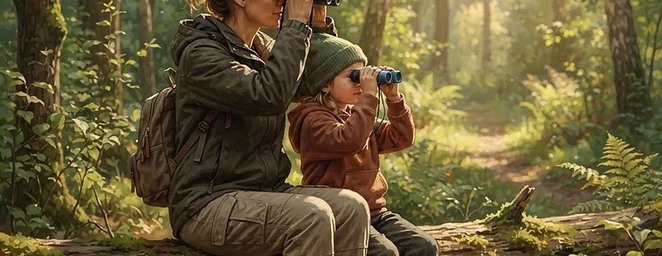
You and your child are sitting at the edge of a meadow when you spot a doe feeding about 50 yards away. Your child gets very excited and wants to move closer to get a better look at her.
What is the best way to handle this situation?
HUNTING SAFETY EDUCATION · AGES 5-17
RAISE A SAFE, CONFIDENT YOUNG HUNTER.
Guide your kids through interactive hunting safety missions, real decision drills, and earned trophies — all from one free parent account.