 BHH YOUTH HUNTERS ACADEMYBHH ACADEMY
AUGUST 25, 2026
Teaching Young Hunters Ethical Decision-Making: The Importance of Selective Harvesting

Understanding the Role of Selective Harvesting in Conservation
As parents introducing our children to the outdoors, we often focus on the mechanics of hunting—firearm safety, accuracy, and identification. However, one of the most critical lessons we can pass down is the concept of selective harvesting. This practice goes beyond simply filling a tag; it is about making informed, ethical choices that benefit wildlife populations and demonstrate profound respect for the animal.
Selective harvesting is the practice of choosing to harvest specific animals based on age, sex, or population health, rather than taking the first animal that appears. It is a cornerstone of wildlife management and ethical sportsmanship. By teaching your child to pause and observe before they ever reach for their firearm, you are cultivating a conservationist mindset.
The Three Pillars of Ethical Assessment
When a child is in the field, the adrenaline can be overwhelming. To help them manage this excitement, teach them to evaluate an animal against three key criteria before considering a shot:
- Biological Impact: Is this a mature animal? Is the population in this area healthy enough to support a harvest of this specific sex?
- Ethical Certainty: Do I have a clear, safe shot? Does the animal appear healthy and alert?
- Personal Commitment: Am I prepared to follow through with the entire process, from recovery to field dressing and consumption?
Teaching Observation Over Impulsivity
One of the biggest challenges for a young hunter is the urge to shoot immediately upon spotting game. We encourage parents to turn 'scouting' into a game. Spend time in the field before the season begins, sitting quietly and observing animals. Encourage your child to identify characteristics: 'How do you know that buck is mature?' or 'Why might we choose to pass on that doe today?'
This dialogue helps shift their focus from 'successful hunt equals harvest' to 'successful hunt equals responsible stewardship.'
Practical Steps to Build Decision-Making Skills
- Use Binoculars as a Primary Tool: Make it a rule that binoculars must be picked up before a rifle or bow. This forces a moment of pause and detailed observation.
- Roleplay Scenarios: Practice 'pass or shoot' scenarios at home using photos or videos. Discuss the reasoning behind every decision.
- Discuss Your Own Choices: Be transparent. When you are hunting together, explain out loud why you chose to harvest a specific animal—or why you chose not to. Your verbalized thought process is their roadmap.
Fostering a Legacy of Stewardship
Remember, your child is watching your every move. When they see you show restraint, they learn that the ethics of the hunt are just as important as the outcome. Selective harvesting is not about limiting the fun; it is about preserving the privilege of hunting for the future. By teaching your child to be a thoughtful participant in nature, you are ensuring that the traditions you hold dear continue to thrive.
Ready to dive deeper into these essential skills? Start your journey today with age-matched safety lessons at BHH Youth Hunters Academy. We provide the resources you need to build a safe, ethical, and confident young hunter.
TRY IT — A REAL ACADEMY DECISION DRILL
The Selective Harvest Choice

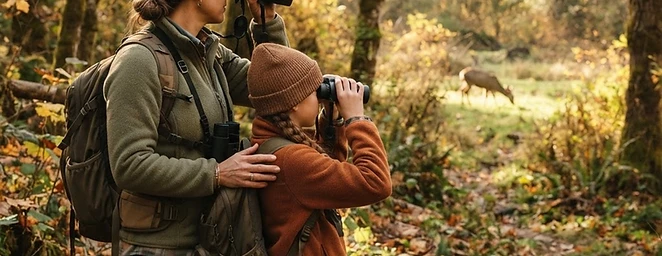
You and your child are sitting in a blind. A small buck walks into view. It is legal to harvest, but it is a young yearling. Your child is excited and prepares to take the shot.
What is the best way to handle this situation as an ethical mentor?
HUNTING SAFETY EDUCATION · AGES 5-17
RAISE A SAFE, CONFIDENT YOUNG HUNTER.
Guide your kids through interactive hunting safety missions, real decision drills, and earned trophies — all from one free parent account.