 BHH YOUTH HUNTERS ACADEMYBHH ACADEMY
SEPTEMBER 1, 2026
Teaching Young Hunters the Fundamentals of Ethical Scouting and Habitat Respect
Understanding the Role of Ethical Scouting
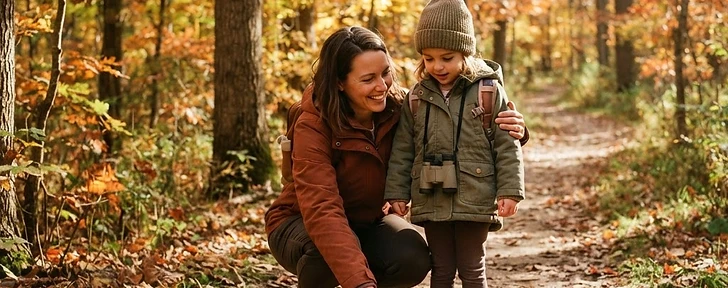
For many young hunters, the excitement of the season begins long before the first morning in the woods. Scouting is the foundation of a successful and ethical hunting experience. It is the practice of observing wildlife, understanding their natural habits, and respecting the environment they call home. By involving your child in the scouting process, you turn a simple trip into a masterclass on conservation and stewardship.
Why Scouting Matters for Young Hunters
Scouting teaches children that hunting is not just about the harvest; it is about participation in the natural cycle. When you take your child scouting, you are teaching them to be an observer rather than just an intruder. You are showing them how to read the landscape, identify tracks, and understand the importance of food sources, bedding areas, and water access. This deep connection to the land fosters a genuine respect for wildlife that will last their entire lives.
Setting Ethical Boundaries in the Field
When we scout, we must act as guests in the animal's home. Teaching your child to minimize their footprint is a vital lesson. Here are a few ways to introduce ethical scouting habits:
- Stay on Established Trails: Avoid cutting new paths through thick brush unless necessary, as this disturbs the natural ecosystem.
- Keep Noise to a Minimum: Animals are highly sensitive to sound. Encourage your child to walk softly and communicate using hand signals or whispers.
- Respect Bedding Areas: If you spot an animal in its bedding area, teach your child to back away slowly. Stress the importance of not spooking game just for a thrill.
- Leave No Trace: Ensure that everything you bring into the woods—snacks, water bottles, or gear—comes out with you.
Learning to Read the Landscape
Scouting is essentially a puzzle-solving activity. Ask your child questions to encourage critical thinking: "Why do you think the deer chose this path?" or "What resources are nearby that might attract wildlife here?" By asking these questions, you transition your child from a passive participant to an active naturalist. This helps them understand that every movement in the woods has a purpose, teaching them patience and humility in the face of nature.
Respecting Wildlife Behavior
An ethical hunter understands that wildlife needs space to feed, mate, and raise their young. When scouting, emphasize that we are observing, not interfering. If your child finds a nest or a den, teach them to keep their distance. Wildlife stress is a real concern, and teaching children to maintain a respectful buffer zone ensures that the animals remain healthy and undisturbed.
Preparing for the Season Together
Scouting is the perfect time to reinforce the safety protocols learned in your formal education. It allows you to practice gear checks, review navigation skills, and ensure that your child feels comfortable in the specific terrain where you will be hunting. It is a low-pressure way to build confidence before the stakes of a hunt are introduced.
Always remember to check your state wildlife agency regulations regarding scouting, as some public lands have specific rules about when and how you can scout.
Start Your Journey with BHH Youth Hunters Academy
Teaching your child to be an ethical steward of the woods is a rewarding process that requires time, patience, and the right resources. Whether you are just beginning to explore local habitats or you are preparing for the upcoming season, BHH Youth Hunters Academy provides the structured guidance you need. We invite you and your child to explore our age-matched safety lessons and begin building your foundation of ethical hunting practices today.
TRY IT — A REAL ACADEMY DECISION DRILL
The Discovery in the Woods

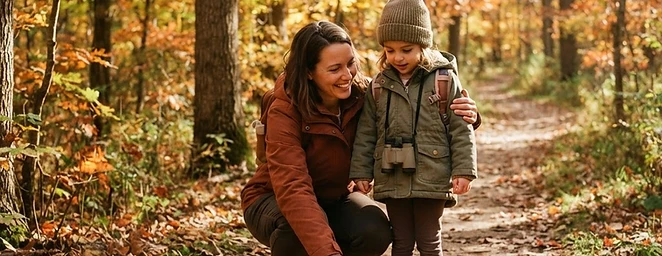
While scouting a quiet area, you and your child notice a doe with a fawn moving through a thicket. Your child immediately wants to walk closer to get a better look, moving directly toward their path.
What is the most ethical action to take in this situation?
HUNTING SAFETY EDUCATION · AGES 5-17
RAISE A SAFE, CONFIDENT YOUNG HUNTER.
Guide your kids through interactive hunting safety missions, real decision drills, and earned trophies — all from one free parent account.