 BHH YOUTH HUNTERS ACADEMYBHH ACADEMY
AUGUST 28, 2026
Teaching Young Hunters Essential Leave No Trace Principles
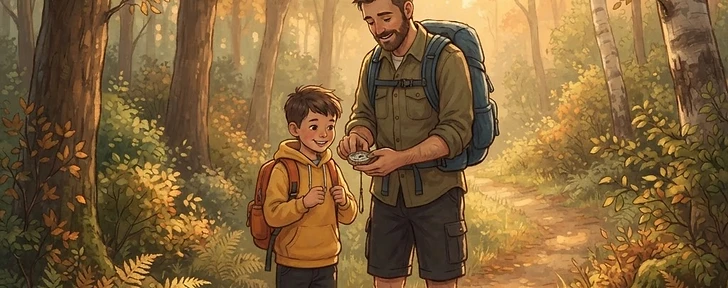
Introduction to Ethical Stewardship
Hunting is more than just the pursuit of game; it is an immersive experience in the wild. For parents introducing their children to the woods, it provides the perfect opportunity to teach not only safety and marksmanship but also the profound responsibility of environmental stewardship. By incorporating Leave No Trace (LNT) principles into your hunting outings, you teach your child that a true hunter is a guardian of the landscape.
Understanding the Seven Principles
Leave No Trace is a framework designed to minimize human impact on the outdoors. When applied to hunting, these guidelines ensure that the lands we use remain healthy, pristine, and accessible for future generations of outdoor enthusiasts.
1. Plan Ahead and Prepare
Before heading out, research the terrain and specific regulations for your area. Always check your state wildlife agency for local rules regarding camping, vehicle access, and waste disposal. Proper planning prevents stress and unnecessary environmental impact.
2. Travel and Camp on Durable Surfaces
When scouting or hiking to a blind, stick to established trails whenever possible. If you must go off-trail, walk on durable surfaces like rock, gravel, or dry grass to avoid damaging sensitive vegetation or causing erosion. Explain to your child why stepping off the beaten path can harm fragile ecosystems.
3. Dispose of Waste Properly
Everything you bring into the woods must come back out with you. This includes food wrappers, spent shell casings, and gear packaging. If you are camping, practice 'pack it in, pack it out' religiously. This is a simple but powerful lesson in accountability for young hunters.
4. Leave What You Find
Part of the magic of the woods is discovering antlers, interesting rocks, or historic artifacts. Teach your child that these belong in the forest. Moving natural objects or picking plants disrupts the habitat that wildlife relies on.
5. Minimize Campfire Impacts
If a fire is necessary, keep it contained in a fire ring or use a portable stove. Never build a fire under low-hanging branches or on dry debris. Always ensure the fire is completely extinguished—cold to the touch—before leaving.
6. Respect Wildlife
Observation is a major part of the hunt, but it must be done ethically. Keep a respectful distance and avoid loud noises or sudden movements that could stress animals. Never feed wildlife; it is dangerous for the animal and ruins their natural survival instincts.
7. Be Considerate of Other Visitors
Many people share our public lands. Keep your hunting area clean, keep noise to a minimum, and be courteous to other hikers or hunters you may encounter in the field.
Practical Ways to Practice LNT with Kids
- The Pocket Sweep: Make it a game to see who can find the most 'trash' (human-made items) to carry out of the woods.
- Gear Checks: Before leaving the truck, have your child double-check their pack to ensure nothing is loose that might fall out.
- Explain the 'Why': Don't just give orders. Explain how a candy wrapper or a discarded casing can impact the habitat of the animals you are there to hunt.
Protecting Our Heritage
By teaching these habits now, you are building the foundation of a responsible outdoorsman or woman. A hunter who respects the land is a hunter who values the habitat that sustains the game they pursue. It turns the hunting trip into a comprehensive conservation lesson.
If you are ready to take the next step in your child's journey, we encourage you to enroll in age-matched safety lessons at BHH Youth Hunters Academy. Our structured curriculum helps parents and children learn the vital skills necessary for a lifetime of ethical, safe, and successful hunting.
TRY IT — A REAL ACADEMY DECISION DRILL
The Forgotten Casing

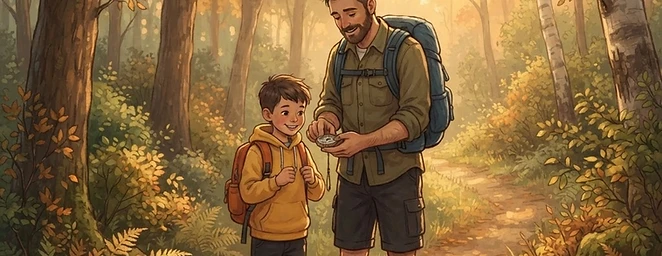
You and your child have just finished a successful practice session at a remote area. As you prepare to leave, your child notices a spent shell casing you dropped earlier in the tall grass. It is nearly dark and you have a hike back to the vehicle.
What is the most ethical action to take in this situation?
HUNTING SAFETY EDUCATION · AGES 5-17
RAISE A SAFE, CONFIDENT YOUNG HUNTER.
Guide your kids through interactive hunting safety missions, real decision drills, and earned trophies — all from one free parent account.