 BHH YOUTH HUNTERS ACADEMYBHH ACADEMY
JULY 25, 2026
How to Teach Kids to Identify Their Target — and What's Beyond It
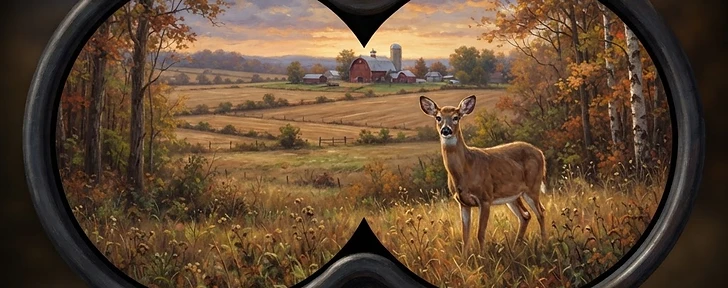
Most firearm safety rules are about hands: where the muzzle points, where the finger rests. But one rule lives entirely in the eyes and the brain — be sure of your target and what's beyond it.
It's also the rule kids are most likely to break, because excitement literally changes what they see.
Why kids (and adults) see wrong
At first light, in brush, with a heart pounding, the brain fills in gaps with what it hopes is there. A flash of brown becomes a deer. A turkey call behind a bush becomes a turkey. Hunters call it "buck fever," and no one is immune — which is why identification has to be a procedure, not a feeling.
The standard your child needs: 100% positive identification of the whole animal, or no shot. Never shoot at sound. Never shoot at movement. Never shoot at a patch of color.
Teach field marks, not impressions
Positive ID means naming specific features:
- Whitetail deer: body shape, head, legs, the white tail flag. Antlered or antlerless — because your tag cares.
- Turkey: beard, fan, head color — not just a dark shape that gobbled.
- The look-alikes: a goat behind brush, a dog in tall grass, another hunter's decoy. If any part is hidden, the answer is wait.
Make it a habit to identify out loud: "Doe. Broadside. Full body visible." Speaking it slows the brain down exactly when it wants to rush.
"And beyond" — the half of the rule everyone forgets
A bullet can travel far past its target. Before any shot, your child needs to answer: what will stop this bullet if I miss, or if it passes through?
- A rising dirt bank or hillside behind the animal: good backstop.
- A skyline shot — animal on a ridge with nothing but sky behind: never.
- Buildings, roads, livestock, or unseen ground beyond: no shot.
Teach the phrase: no backstop, no shot. It rhymes for a reason.
Games that build the skill
- The lookout game: On any walk or drive, spot an animal and demand three field marks before it "counts."
- Shot or no shot: Show wildlife photos and ask for a verdict — and make "no shot" answers win praise. Kids repeat what gets celebrated.
- The backstop hunt: In the yard or on a trail, pick a spot and ask: "If a bullet went that way, where would it stop?" You'll be surprised how quickly kids get sharp at this.
- Binocular discipline: Glass with binoculars, never a rifle scope. Pointing a scope at an unidentified shape means pointing a firearm at it — which might be a person.
Patience is the real trophy
The hunters who fill tags year after year are the ones who wait for certainty. Teach your child that passing on an uncertain shot isn't failure — it's exactly what separates real hunters from lucky ones.
Our target identification courses train these skills age-by-age, from animal clue games for young kids to adversarial ID drills for teens. Give your young hunter eyes they can trust.
TRY IT — A REAL ACADEMY DECISION DRILL
Make the Call: The Shape in the Brush

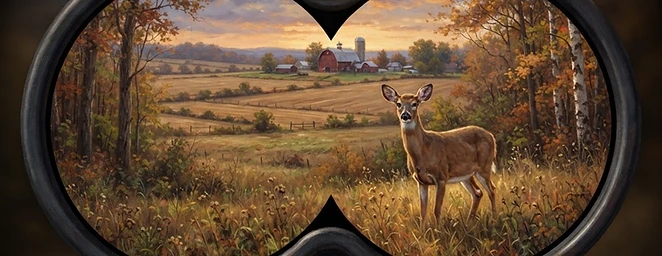
Last light of the evening hunt. Your young hunter spots movement in thick brush 60 yards out — a patch of brown, low to the ground. Their tag is for antlerless deer, and it's the last day of season.
What's the right call?
HUNTING SAFETY EDUCATION · AGES 5-17
RAISE A SAFE, CONFIDENT YOUNG HUNTER.
Guide your kids through interactive hunting safety missions, real decision drills, and earned trophies — all from one free parent account.