 BHH YOUTH HUNTERS ACADEMYBHH ACADEMY
OCTOBER 8, 2026
Introducing Youth Hunters to Weather Awareness and Thermal Safety
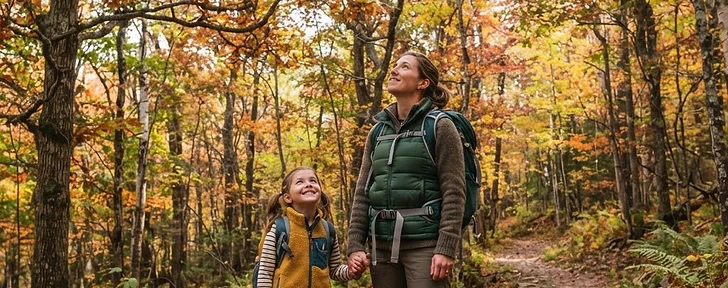
Understanding Weather as Part of the Hunt
For many young hunters, the excitement of heading into the woods often overshadows the importance of checking the forecast. As parents, we know that the difference between a successful, enjoyable day and a miserable, dangerous one often comes down to preparation. Teaching your child to respect and monitor the weather is a fundamental safety skill that fosters maturity and field readiness.
The Layering System: More Than Just Staying Warm
Comfort is the primary driver of patience. A child who is shivering or overheated will lose focus, becoming more prone to accidents or mistakes. The key to field comfort is a proper layering system. Explain the three-layer philosophy to your young hunter before you even pack the truck:
- The Base Layer: Moisture-wicking fabrics like merino wool or synthetic blends. Avoid cotton at all costs, as it traps moisture against the skin and leads to rapid heat loss.
- The Mid Layer: An insulating layer, such as fleece or down, designed to trap body heat while allowing moisture to escape.
- The Outer Layer: A windproof and waterproof shell. This serves as your armor against the elements, shielding the inner layers from rain, snow, and biting winds.
Reading the Sky: Basic Meteorology for Hunters
Encouraging your child to check the weather app is a great start, but teaching them to observe the environment is better. Help them identify cloud formations that signal approaching storms or changes in air pressure. Discuss how wind direction affects not only the hunt but also how quickly the ambient temperature can change.
Recognizing the Signs of Hypothermia and Heat Stress
Even with the best gear, conditions can turn quickly. Early detection is the most effective safety tool you have. Teach your child to recognize these warning signs in themselves and in you:
- Hypothermia (The "Umbles"): Stumbling, mumbling, fumbling, and grumbling. If your child begins to exhibit confusion or lack of coordination, it is time to pack up, regardless of the game sightings.
- Heat Exhaustion: Excessive sweating, pale skin, dizziness, or nausea. Ensure they are drinking water consistently, even if they don't feel thirsty, as dehydration often occurs alongside heat stress.
Creating a 'Weather Go-Bag'
Empower your child by letting them help pack a dedicated safety kit for weather-related emergencies. This should include:
- A lightweight, space-saving emergency blanket.
- An extra pair of dry wool socks in a waterproof bag.
- Hand and foot warmers.
- A compact rain poncho.
Teaching your child to be self-sufficient in the field starts with small, consistent lessons. By focusing on weather awareness, you aren't just keeping them safe—you are teaching them to observe, analyze, and respect the natural world.
Ready to take the next step in your child's journey? Start age-matched safety lessons today at the BHH Youth Hunters Academy and ensure your young hunter has the knowledge to stay safe in any environment.
TRY IT — A REAL ACADEMY DECISION DRILL
The Sudden Shift

You and your child have been sitting in a ground blind for two hours. The sky, which was clear this morning, is now turning a dark shade of grey and the wind has picked up significantly. Your child says they feel a bit cold but really wants to stay to see if a deer comes out.
What is the most responsible action to take?
HUNTING SAFETY EDUCATION · AGES 5-17
RAISE A SAFE, CONFIDENT YOUNG HUNTER.
Guide your kids through interactive hunting safety missions, real decision drills, and earned trophies — all from one free parent account.